

View the session live or catch the replay here. You’ll find the recording and all related resources on this page once available.
Our live discussions are happening over in Slack. That’s where you can connect with speakers, join session threads, and chat with other attendees in real time.
Learn about how our panelist helps their team and themselves stay focused and efficient in a never-ending job landscape. In this session, we will also explore hot topics like: the great resignation, how to keep your team engaged while working virtually, and how to tackle other challenges that MOPS professionals are experiencing.
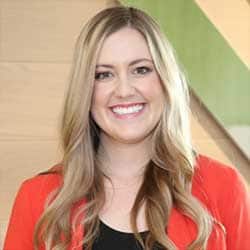

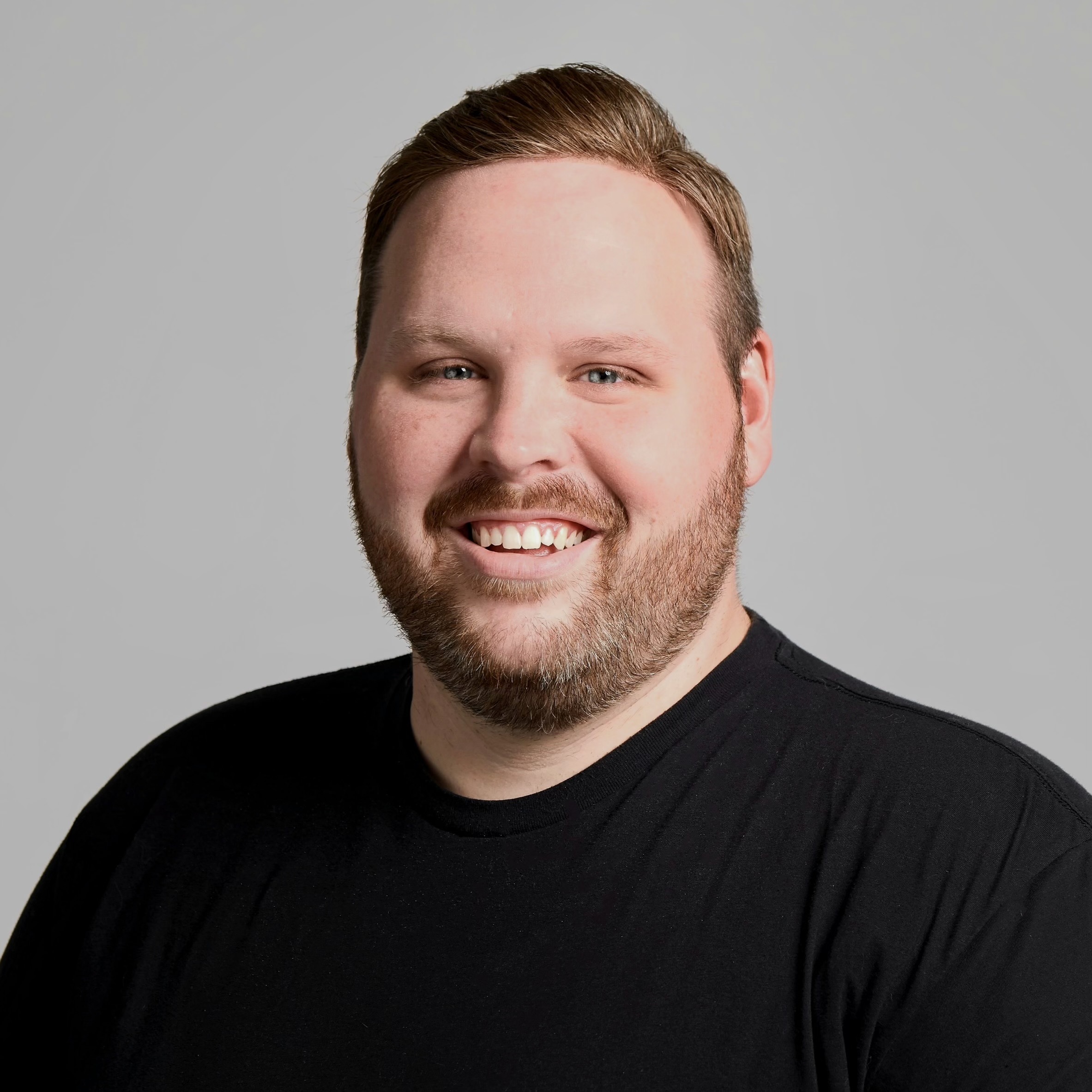

Speaker 0: Hey. Good morning, everybody. So my name is Stefan Solbus. I am a marketing automation strategist here at Sercante, and I will be moderating today’s session. Um, today, we’ll have a few people speaking. We have Brent Patrick, Jenna Mulvey, Mimi Glaugas, and Ollie Allen, and they’ll each have their sessions. And I will go ahead and bring them in. And then a couple of things. So everything is gonna be recorded. You guys all have, um, access to these in the future. Just a couple of things that I wanna throw in the chat.
Speaker 1: Alright. Good morning, everybody. Um, and depending on where you are located or based, good afternoon. Thank you for joining us for Ask Me Anything, the marketing ops edition. I am Alia Lynn. I will be your host for the session. And today, we are joined by Mimi Klages, Jenna Mulvey, and Brent Patrick. Um, I’ll let everyone do brief intros of themselves. Let’s start with Mimi.
Speaker 2: Hey, everyone. Can you hear me alright? Great. Uh, nice to meet you all. I’m Mimi Klages. I work with Graphic Packaging International. We’re a global packaging manufacturer, and we make everything from the paper cup that you get when you order your coffee at a restaurant to the box that’s holding your cereal or your beer or your sparkling water, whatever. Um, so my my role at the company is global integrated marketing manager and focused a lot on our marketing operations. Operations. So happy to be here today
Speaker 1: with the other speakers. Awesome. Thanks for joining. Thank you. Jenna?
Speaker 3: Hi, everyone. My name is Jenna Mulvey. I am the head of revenue operations at Julie. Before being in revenue operations, I spent about ten years in marketing operations and then recently made a shift towards revenue operations about a year ago. Um, yeah. So if you have any questions about even that shift, yeah, put it in the chat and let me know.
Speaker 1: Thank you, Jenna. And Brent.
Speaker 4: Hey, everyone. My name is Brent Patrick. I’m the director of marketing at Scale Computing. We’re a leader in edge computing and hyperconverged infrastructure, which is smart servers at the end of the day. Um, I have been with the company for eight years and started as, uh, I was hired contract hire, um, and was, uh, to implement their Pardot instance and sort of just took on more and more and became director of marketing and now lead a much more talented team than I was then. So yeah.
Speaker 1: Awesome. And I am Alia Lynn. I am a marketing automation manager over at Explore. We are a payment processing company, so we are how businesses get paid. Um, I’ve been with Explorer for just under a year and having fun and enjoying the ride. Um, I think we can go ahead and get started with the session. Um, so let’s just jump right into it. Um, I don’t think I would get much argument from anybody that’s in attendance today when I say that in terms of the success of any organization, MOPS is pretty mission critical. Would everyone agree there? So just thinking in terms holistically of the state of the tech world today and really of the world as a whole. What would you all say is the biggest challenge that Mops is facing today? Um, let’s start with Brent for this question.
Speaker 4: That’s a loaded one. So for me and at least in my experience on my team, it’s twofold. So one, there is more data available to, um, to us in MOPS than have I’ve ever seen in my careers. So being able to take that and distill that into something meaningful is both, I think, a challenge and an opportunity. Um, and then I think the second piece of that that I think I would, uh, you know, I I’d be remiss to to not say is that there is also an ever ever changing, ever evolving technology landscape. And in my in my experience, at least what I’m seeing a little bit more and more of is what I call shiny object syndrome, where, um, where technology is is great in school, and I think as professionals and moms, we love the newest and the greatest technology. But I think it’s a challenge to understand where that technology fits into your overall business objectives, part one. And then part two, what I also see a lot of is folks being really over provisioned in their technology investments, not leveraging every element of, uh, uh, the technology that they’re purchasing. So I think it’s for me, just the data that’s available to us is overwhelming, and the technology landscape is changing a lot. So I think those are two challenges, but I think they’re I like the word opportunity better. I’m a little bit of an optimist in that way.
Speaker 1: And how about you, Jenna? What would be your take on the topic?
Speaker 3: Yeah. I would agree with Brent, you know, the ever changing Martech landscape. Even just as a marketing operations professional, how do I learn those skills when there’s new technology coming on? Where do I put my time and energy into figuring out what I should learn and how do I learn that? I think that that’s, like, a really big piece right now is, you know, Salesforce has done a good job of having Trailhead and being having a community that you go out to and reach out to for help. But what about all the other technologies that we have to work with in our day to day life of how do we learn that? What what should be the priority there?
Speaker 1: Awesome. I think a lot of people that are in attendance today can definitely agree with those points. Um, now for many of us, working from home has been a been a bit of a new concept that’s been brought on by the pandemic. One of the biggest downsides has just been trying to keep focus from all of the added distractions. Um, Mimi, we would love to hear about some of the new habits that you have adopted in your whole new personal transformation in terms of the work from home or landscape?
Speaker 2: I think, um, for myself and as a team, especially just adopting, like, a camera on, uh, mentality has really helped us stay more connected and engaged. I think as a team, I feel like we’re collaborating a lot more, um, than even before. But for me personally, um, habits just, you know, sticking to to a schedule, having a dedicated space to work has to be able to disconnect from that at the end of the day where you feel like you can always be on, um, but which is which is very true. But having a dedicated space, I think, has really made a difference in creating those healthier work from home habits, um, and then staying connected with my colleagues who are global, um, through video has made a big difference as well.
Speaker 1: That’s interesting. And then you bring up another interesting topic, just having global, like, colleagues. Like, how are you manage do you manage to stay connected to them in this work from home landscape?
Speaker 2: Yeah. So, um, we our our team spans many, many time zones. And for some of us, our days only overlap by an hour or two. And in order to work more asynchronously, we’ve adopted a tool, um, that’s just a work task project management tool where we can update on tasks, stay more connected throughout the entire day no matter where we are, um, through that system. That’s made a huge difference and really boosted our our productivity and efficiency as we work on projects.
Speaker 1: Awesome. Yeah. It’s really good to hear. Um, now let’s just switch gears just a little bit. As MOPS professionals, I’m sure everybody here can attest of just the power of having a great team, um, and teamwork and how it can really help you out of jams. And all three of you all all three of you are great powerhouse leaders, but I’d love to know more about some of the things that you do to build trust within your team. Jenna, I’d like to kick this question over to you.
Speaker 3: Yeah. Sure. Um, I don’t think I do anything, like, really specific to build trust. I think that I work with leaders and teams that I already have their trust. Um, but one thing that I’ve really been doing, um, recently has been working with, like, the individual contributors of each team. So the BDRs, the SDRs, um, the marketing specialists that you have on your team, and booking, like, one on one coffee chat. So that’s when you can really dig into, like, what their struggles are with their day to day job, how you can help in that. Because sometimes you don’t they don’t give that information maybe to their leaders. Maybe the leaders don’t kind of dig in on those points of what’s really the pain points within their role right now. Um, and that’s a way that you can really help them and gain trust that way with those individual team members.
Speaker 1: Awesome. Awesome. Does anybody else have anything to layer under that?
Speaker 4: I would say with me, like, I’ve always been I I feel like I’ve always prided myself on being a good communicator, um, but a phrase that I’ve adopted that if anyone from my team is on this, they’re gonna roll their eyes out probably, is, um, is what I call team no surprises. And I mean that through all facets of the of the organization top down. And I and what I mean when I say that is if there are surprises, to me, someone’s not doing their job, and that’s shared accountability across the entire organization from the top to the bottom. And so and that’s everything from, you know, product road map changes and updates to, you know, your focal review and, um, and performance evaluations. To me, if we’re going into a conversation and there are surprises, that means communication isn’t quite where it’s supposed to be. And so it’s not something that I just, like, tout and a phrase that I use like, it’s something that I live with them every single day. So if I again, I think there are some folks from my team on here. But, um, when we go into any conversations, again, one on ones, focal evaluations, um, product marketing meetings, anything like that, there are generally no surprises, and I think that’s a good sign of healthy, open dialogue and communication.
Speaker 2: Yeah. I love that. I’d I’d add on to, you know, thinking about trust up, down, horizontally, you know, throughout the organization, um, especially with with someone that might be reporting to you, just giving them more, uh, autonomy and ownership of a project and letting them feel letting them know that you have that trust in them. And then when I think about, um, like, my boss, and she’s on high, uh, you know, I try to communicate things that, you know, I’m working on or if I’m if I make a decision, I’m like, okay. I wanna make sure this is something she’s aligned with, I’ll check with her. And then when I think about trust with our sales organization, especially when we’re doing certain marketing automation programs, Um, I’ll try to demo what’s about to happen to let them have a little insight on what it’s like on the receiving end. So they feel like they’re more in the know of some of the things that marketing is doing along the ride. Um, we’re certainly not perfect at that, but I think that it helps build trust and knowledge and excitement and adoption for some of the things that we’re doing on the marketing side to help sales.
Speaker 1: That’s awesome. That’s a really good take. That’s actually kind of brings us to another question that we have. Just in terms of, like, the relationship between sales and marketing, Brent, so ask somebody that might be new to the MOF space. Like, what are some tips that you might recommend in terms of how to improve those relationships between sales and marketing?
Speaker 4: This is really, um, this is a really difficult one. And I think especially if, you know, for us at Scale Computing, this is a little bit of a polarizing statement, but I’m gonna say it anyway. For us at Scale Computing, our entire marketing organization rolls up to the CRO. So for so for me personally, I enjoy that because it does help that alignment when there there are no, for example, sales leadership meetings. Right? Like, they’re all sales and marketing. They’re aligned all the time. But I would say if you’re new to mops and you wanna align yourself better with sales and make sure Janet touched on this, which I beautifully better than I could, which is have those one on one coffee chats. Understand what a what a day in the life is. Ask the ask the BDR manager if you can send on some calls. You’d be shocked if, like, the techno if, uh, the technology that is just that lets you shadow a call is overwhelmingly insightful. In my early days at scale computing, it was one of the most, um, it was one of the things that helped me best wrap my arms around the sales organization and what they’re responsible for. But as a MOPS leader, it is, um, it probably annoying how often I reach out to my peers to say, what do you need? Is, you know, is the channel pipeline lagging? Do we need to be working on some partner enablement programs? Is, you know, do the BDRs have what they need to to to meet their quota? What is, like, what is the what does the team need? And I think just, again, making sure that there’s that no surprises, open dialogue across the organization, I can’t stress that enough. That’s been the way that I’ve that I’ve best built that relationship.
Speaker 1: Jenna, do you have anything to add to this topic?
Speaker 3: No. I completely agree with Brent. I think you touched on all those points.
Speaker 1: Awesome.
Speaker 2: I’d add, um, for for certain I know in our sales organizations, really finding that, like, cheerleader. So it’s kind of like finding someone to infiltrate a mole on their team that’s advocating on our behalf. So doing a pilot project, working on something with maybe, like, one sales one sales leader, and then having them go, you know, sing your sing the praises of whatever you’ve been working on so you get buy in from that side too, I think has been effective. Um, that way you’re speaking the same language and, you know, trying to to build, you know, that that trust and that, um, alignment internally instead of it just coming from marketing. It’s you’re doing it together.
Speaker 4: That’s a great point. I think it’s easy for I think early early in my career, that felt, um, uncomfortable because it felt intrusive almost. But I think one of the things that you’ve I they say a closed mind is like a closed parachute. I think it’s true and it applies here. Right? Is the more that you open yourself to the sales organization and show them the inner workings of marketing, they’re certainly gonna poke holes in your work and they’re gonna ask questions. But what I think you’ll find if you’re open to it at the end of the day is that it’s gonna make your work that much more thorough and that much better, and and you’re gonna support the sales team in a way that was untapped before.
Speaker 1: I agree. What I know that there are people that are listening that might not feel as comfortable maybe going to the sales team. Are there any tips that y’all might recommend for just helping them be comfortable enough to go to the sales team and be like, hey. You know? We’re trying to learn more about your processes. What would what would you recommend?
Speaker 4: That can also feel intrusive. Right? That can also feel like, you know, why are you coming into my lair if you will? For for us, this started for us where I think that we did this well at Scale Computing is that this started at a group level before it got individual. So we had group meetings as the the lead and the managerization team with the inside sales team and then took it more granular from there. So I would say get with your with your marketing leaders, have them, you know, make the suggestion to start with to meet with the sales leaders and talk about even a monthly one a monthly team meeting to create some transparency and build those relationships more granularly as you have start as you establish that foundation.
Speaker 3: Yeah. I agree. I also think, like, being a sponge and just, like, soaking up all that information all at once without kind of coming with your opinion right up front, I think, would be good. Just, like, learn as much as you can about what they’re doing now and figure out, you know, how you can help later on.
Speaker 2: Yeah. I agree. And finding the right person too. Like, especially if you’re trying it, the, you know, small start small and then scale up with the team. Finding the right person that’s, you know, an early adopter, someone with an open mind that has a passion for, you know, improving things and working more efficiently too. Um, I think if you find that right person who who’s got that energy too, it’s a little more contagious and, um, driving alignment with the rest of the team.
Speaker 1: Awesome. Um, now, Mimi, I wanted to kick a question off to you just in terms of somebody that’s coming that’s new to mops or somebody that might be changing careers. When we start talking about technical skills or soft skills, what do you feel is more important and why?
Speaker 2: I would say the soft skills. I mean, I you can you can train. You can you can learn all day. I feel like learning those skills is something that you can anybody can do. But having those soft skills and having, like, a self starter mentality and, you know, someone that’s eager to learn and has really great interpersonal communication skills, I think is just so valuable and much harder to teach than, you know, learning a new program or learning a new, you know, set of tools that they have to use. So by far, that’s that’s how I feel.
Speaker 1: How about you, Jenna? Yeah.
Speaker 3: I agree. I think you can’t teach being a problem solver. In ops, you need to be a problem solver. You need to be resourceful. You need to be open minded, and a lot of those things you you can’t teach at a certain time.
Speaker 1: Brent?
Speaker 4: Yeah. They, um, they say one of the biggest lessons that I’ve learned in in my career as I’ve kind of gone from individual contributor to director has been to hire people who are smarter than you. But there’s there’s something I mean, certainly you’re gonna get a better team that way, but I think in addition to that, those soft skilled hire someone who has the soft skills that you feel like it took to make you successful. Like, being able to reach across the aisle, for example, and work with sales, that’s a risk. It’s a real risk because, again, it feels intrusive, but being able being a daring individual and being able to take initiative is is you can’t put a price on that, and you certainly can’t teach it.
Speaker 2: Yeah. So all day. Absolutely. Okay.
Speaker 1: So I wanna kind of pick y’all’s brains kind of in line with somebody that’s new to Mops or that might be switching careers. Um, what can a career in Mops look like? What and let’s let’s start with Mimi for that one.
Speaker 2: Yeah. So I’m I’m relatively new to kind of working on more of the operations role. My my career mostly spanned honestly, I started in PR and communications, and I was in marketing communications, and then more of the brand side and have kind of happened into this space, which I always thought I’d be more of a creative, which I’m certainly creative in this role, but I’m really finding a lot of passion around, um, you know, driving efficiency within the team and and demonstrating results and how the successes that the grit that the team can achieve. Um, so I love that. So it can really be an evolution. In in my case, it has been. Um, but, you know, day to day, I’m I’m checking on various, you know, products launch campaigns, um, you know, nurture and engagement things. And it’s a global team, so I’m working across a lot of different cultures and ways that teams work. So it’s it’s a lot of learning, but it’s a ton of fun.
Speaker 1: Brent, what’s your take on that?
Speaker 4: For I mean, for me, it’s been all about what I wanted it to be. I think, you know, the initiative is is where I think got me to where I’m at now, which is, you know, I was hired to implement part on a contract on a contract basis. It was like a ninety day contract, so I had my work cut out for me anyway in ninety days. But as I began to reach across and say, I’d love to, you know, I’d love to help out with your events if possible. I’d love to learn more about, like, what’s the channel. I’d love to learn more about partner marketing if possible. And, you know, I see you’re managing this budget. You mind if I have a look at this budget that you’re managing? And so, ultimately, those things started getting passed off to me, and I was able to pick my path. So I would just say leave your options open. Certainly, marketing operations is amazing, and there are a million career paths you could take. But I would say, especially if you’re early, again, leave your mind open. Leave your parachute open because I think I would never have occurred to me, um, having had to take algebra, like, two times in high school, that my favorite part of my job would be owning a budget, right, and and being responsible for the outcomes of managerial accounting. Um, but I think just leave your mind leave your mind open. Be willing to try new things. Event management is not my favorite thing, but it’s something that I that I do every day. Um, and and try your hand to all of it. You’ve got nothing to lose early. You can you know, you hear the stories of people starting over at 55 and having amazing lives. Try that. Try try everything.
Speaker 1: I love that. I love that. Jenna, how about you?
Speaker 3: I think it’s been really interesting to see the mops, like, job role evolve around all of these last years. So it didn’t really exist, I think, about ten years ago. It was like you would have one MOPS person at a company, and you wouldn’t be really sure what they did. And now, you know, MOPS is like a pillar in the business. And if you want you if you’re working for a smaller company, you’re probably, like, the only MOPS person. But if you’re looking at bigger companies, now they have different divisions of MOPS. So they have MOPS for, like, campaign building, and they manage, like, all the campaigns that go out. You have MOPS for more of, like, the analytics and data side. You have MOPS for, like, the Salesforce side and the process. So I think there’s different, like, pillars within marketing operations now that you can go down, um, rather than just being like a jack of all trades or or I have to be inclusive and say a Jane of all trades as well. But, yeah, there’s tons of different avenues depending on the company that you’re working for, and you don’t have to be that sole mops person, uh, at a company.
Speaker 1: Question. So for somebody that is wanting to make the change to MOPS, what would be the one thing that you would recommend that they do today as a gateway foot in the door? Um, Brent?
Speaker 4: Oh, if I I’ve answered this question a thousand times, and I think and and I would say I said and I’ve said a million times. I wish that I and this is gonna go down a probably a bigger rabbit hole that I wanna go down. But I I wish that whenever I, um, graduated high school in 2007, that Trailhead would have existed. I would have saved so much money on college. It’s unreal because the the paths are all there. Right? Like, there’s certainly a huge value. I can’t, you know, I can’t discredit the value of a college education, of course. But I would say understand the training, the free training that’s available to you. Um, and I would be, like, I would be remiss not to say, like, Jenna is the reason I’m a Pardot specialist. Right? Like, the training that’s available to you from Jenna and Salesforce Ben and Trailhead, that is unbelievable, and it’s free. So understand the training that’s available to you. Connect with the community. The community the Salesforce community is incredible, um, but connect with the community, understand the training that’s available to you, and leverage that, and and see where you wanna take it. It’s, you know, it’s it’s your story. You can run it to be whatever you want it to be, but absolutely understand the training that’s there.
Speaker 1: Yeah. I love it. Mimi, how about you?
Speaker 2: Yeah. And I’d say all of those things that speaks to being someone with that’s a self starter and has that ambition to, like, go out and you have all these free great resources to to learn and to build those technical skills, but you gotta have the want to to put yourself out there and put in the work to learn these new things. So I think they go hand in hand.
Speaker 1: Yes. Absolutely. Jenna, I I know you have had a direct hand in launching a lot of Pardot career, so we’d love to get your take.
Speaker 3: Yeah. I think that yeah. Just like yeah. But, like, exactly what Brent said, and thank you for the shout out, Brent.
Speaker 4: Well, I’m seeing lots of comments of people who are echoing the sentiment, so I have to say on behalf of all of us, thank you, Beth.
Speaker 3: Thank you all. Here’s my heart.
Speaker 1: And, really, like, all three of y’all, y’all have been so instrumental, and I love how you champion Pardot and Salesforce products and just giving people inspiration to continue. And I know that the MOPS field in and of itself has been a bit of a challenge just because people are swamped. So on behalf of everybody, thank you all just for being you. Now one more, um, question before we get into the q and a. What piece of advice would you give to existing mops people? I know that people are swamped, and there are a lot of things that kind of fall onto the plate of mops. So just that one piece of advice, like, what would y’all what would y’all give someone? Um, Mimi, let’s kick this question off with you.
Speaker 2: Yeah. For us, and I think this also goes with a question I just saw on the side is how to prioritize. For us, it’s really ranking or, you know, thinking about what impact is this particular project gonna have on our business. Like, how does this align with our high level goals that we’re trying to achieve and prioritize against those. You know, people might be louder in their requests for for your support and something, but it might not have as much, you know, bang for the buck as something that you should really be focusing on. So I think focusing on those ones that those projects, those things that really align with the business objectives is is how to prioritize for for us, certainly.
Speaker 1: Brent?
Speaker 4: Yeah. Mimi hit it on the head. Absolutely. Understanding where your company is going and the business objectives that your leaders care about is is top tier, and I think you’re gonna find that you add more value if you can relate the things that you’re working on back to those business objectives. But the second one that may be one that, um, may not be as relevant to your career that I wanna say is just take care of yourself. Like, take care of your mental health. Take care of your physical health. Make sure it’s easy in MOps especially to want to, um, to tackle everything at once. But, again, knowing what the business objectives are and the impact that you’re gonna make on the business and prioritizing accordingly lets you I use a a rubber ball glass ball analogy. If, uh, I’m sure many of you have heard this. If a rubber ball falls and bounces, it’ll bounce your wallet and take care of itself. If a glass ball breaks, it shatters, um, and things fall apart. Identify those rubber balls, identify those glass balls, and prioritize yourself and your own mental health and your own physical health and emotional health and well-being.
Speaker 1: That’s awesome. That’s good. How about you, Jenna?
Speaker 3: Yeah. I agree. I think that it’s easy to get burnt out, so you need to know how to prioritize and focus on your mental health as well as, you know, everything else involved. And then I also think that if you’re looking if you’re new to the mops, figure out, like, one thing you can get good at and then really master that and move on to the other thing. It’s really easy to be you know, kinda spread yourself too thin and kinda learn everything without learning nothing. So I think getting something that you’re really good at, really passionate about, getting that down pack, and then moving on to the to the next thing and really learning that.
Speaker 2: Yeah. I’d add one final thing that’s also not that you need to know everything and how to do it, but sometimes you just need to know the right people who to ask and who to loop in. I think that’s just as valuable as being able to bring people together with their other expertise to
Speaker 3: Totally. Or having, like, the right network of people that you can tap when you need help.
Speaker 2: Right.
Speaker 4: Absolutely.
Speaker 1: That’s awesome. Yes. Alright. We have a lot of really great questions coming in the q and a. Um, let’s start with I’ll just start first in line. Um, I have a question from Brandon Farrar. Sorry if I’m mispronouncing your last name. That’s about last touch campaign attribution. Um, I’ll read the question. Last touch campaign attribution captures the last campaign before an opportunity closes. What is your recommendation or reporting pipeline in a model that’s targeting the last campaign before an opportunity is created? Who wants to tackle this question? I’ll pick somebody. Brett.
Speaker 4: I’m not sure I understand the question. What is what was the can you read the last part or just the actual question itself?
Speaker 1: Yes. Um, last touch campaign attribution captures the last campaign before an opportunity closes.
Speaker 4: Yep.
Speaker 1: What is your what is your recommendation for reporting pipeline in a model that’s targeting the last campaign before an opportunity is created?
Speaker 4: We I think we all know there are multiple touches in the that that create opportunities. So that’s not I don’t know if the question is, is this what we should be doing or how to best how to best monitor and report on it, but for us, we use, um, a campaign influence model that degradates campaign influence over time. Um, if you want help building that out, your Sakante folks are can help. Shameless plug. They helped us build out ours. Mike Morris, props. Um, but I we use a campaign influence model that that degradates the campaign influence over time. So as the campaign ages, it loses influence, if that makes sense, with the most recent campaign, certainly giving the the most weight. That’s where I would that’s what I would recommend. That’s been great for us.
Speaker 3: Awesome.
Speaker 1: Alright. Here is another here’s a question about dashboards. Um, what are the holy grail of MOBS dashboards? Um, let’s kick this question over to Nene.
Speaker 2: Yeah. I mean, what you’re just speaking about, campaign influence is certainly an attribution. It’s something that we look at, um, you know, across our what’s really driving it? Is it events? Is it our content, downloads? Is it um, webinars that we’re hosting? So in person versus virtual events. Um, that’s certainly something that we’re looking at all of the time. It’s it’s also our dashboards that we built. Thanks also to Circante and shout out to Marcos. But that’s certainly using the data that we’ve gathered from these dashboards over the last, I’d say, year and a half just helped us, uh, gain approval for a huge multiyear, um, big budget website and redesign that we certainly would have had the data to to build that business case before. So
Speaker 1: Awesome. Jenna, are there any dashboards that you would recommend?
Speaker 3: Yeah. I do lead volume and wells or whatever your metrics are for you need to look at, um, those ones, what your targets are, how close you are to your targets, how much close one business came from marketing, how much pipeline came from marketing. Um, all those things are great to add to your dashboard.
Speaker 1: Alright. I have a question coming in from Stefan, um, Stouffer. Sorry if I’m mispronouncing your name. Um, how can we make sure that marketing operations has a seat at the table in decision making? Because it feels like we’re an afterthought. When?
Speaker 4: Well, I think and this is this is sort of, um, the inverse way of maybe looking at it, but I think in order to, um, have to ensure that you have a seat at the table, you’ve really gotta take some of the ownership and some of the onus on that and proving your value. And I think part of that starts with reaching across the aisle, working with sales, making sure that you are almost forcing a seat at the table. If folks don’t understand your value, then you’re not gonna be invited to have a seat and have an opinion and provide input. Um, so I would say, again, open communication, clear communication with your marketing leaders, with your sales leaders, um, and making sure that there is transparency.
Speaker 1: How about you, Mimi?
Speaker 2: Yeah. I I’ve found that especially in in in our role with marketing operations, we’re the keeper of the data and the ones that can interpret that and explain that out to the rest of the team. So that’s powerful. Like, it’s also educating people in sales or other areas of the business that, look, this is what we’ve achieved through this and you wouldn’t have seen it otherwise unless this voice was at the table. So I’ve found that it’s, um, it’s it hasn’t been too hard of a sell to get, and I’m also persistent.
Speaker 4: It’s I would say it’s a real skill to be able to take the data and be able to deliver in such a way that it’s meaningful to the folks who are at the table that you’re presenting it to. So I would say in addition to what Mimi said, um, I I don’t love marketing by committee, but I do like, um, having somebody on your team or someone on another maybe appear on another team where you can bounce this off of and almost, like, give them your pitch before you pitch the data or the outcomes to someone at, like, at the leadership level. Um, always having that peer to, again, poke holes in your story and in your data is only a good thing.
Speaker 1: Absolutely. Absolutely. Jenna, would you like to layer on to this topic?
Speaker 3: Yeah. I completely agree with Mimi. It’s about being persistent and giving insights and kinda delivering these data insights that you they wouldn’t have without you. Um, and then they can kinda figure out over time that, okay. This person should be involved in this meeting because they give us all these data insights that we wouldn’t have had had, you know, the mobs person not been there.
Speaker 1: Awesome. Um, let’s see. Alright. I have a question from Sydney Bird. Ask someone newer to the workforce, what advice would you have to to distinguish what MarTech you should be focusing on? Um, let’s let’s go to Mimi for this question.
Speaker 2: Yeah. I think it depends on your business, like, in your in how your sales organization operates. Like, for us, you know, we do marketing. We have our marketing automation tools, but we also still do a lot of one to one selling. And, um, so enabling our sales teams with the content and the materials that they need. But I still wanna gather the data on how it’s how it’s being used, if it’s being used. So it it kinda depends on how your sales team operates. Um, that’s that’s the way I think about it. There’s so many options out there, but it’s like what really fits the way that people are actually gonna work with it.
Speaker 4: That’s Yeah. You have to figure out the lens also. No. You’re good, Jen.
Speaker 3: Yeah. You have to you have to figure out the business requirements and then figure out what the best tool is from there. Um, otherwise, you’re just gonna get a tool that doesn’t fit your your requirements and how you actually work.
Speaker 2: Yeah. Yeah.
Speaker 4: Absolutely. I mean, I think for us, we sell exclusively through the channel. So enabling our channel partners is our path to market, and that’s where we so that’s where we are focused. So understanding how, like Janice said, understanding how the sales team works, how your company goes to market will help you prioritize the MarTech.
Speaker 1: Awesome. Alright. Let’s do one more question. This one, um, coming in from Anna Parks. How do you coach a team who’s new to digital marketing and marketing ops as far as the time and effort when designing automated customer journeys? Um, I think there is an expectation that some of the that some of the work happens automatically and some gaps in marketing strategy, messaging, or process to fill. Any suggestions there? Um, Jenna, how about you?
Speaker 3: I don’t really have that issue, so I can’t really speak to that. Maybe that would be a better one for Brent. I know that you have a a larger a larger team.
Speaker 4: Yeah. I so for us, this has been, again, like and I think this is one of the things I didn’t expect to be consistent of the day, but it has been is, like, we don’t opt we don’t and I say this to my team regularly. We don’t have the luxury of operating in silos. We we don’t have an option other than to reach across the aisle. So for us, part of building up that customer journey has been working with right alongside of our product team, making sure I mean, they’re the ones that are out in the field talking to your customers, especially on lost calls, which might I add, if you don’t listen to lost calls as a marketer, it’s a massive missed opportunity. Um, but they are the ones who are going to be, um, who understand your buyer personas more than anyone else. They’re the ones who are gonna be able to influence your nurture and what content they should be placed at each stage of the buyer’s journey. So, again, reach across the aisle, talk to your sales team, talk to your partners, talk to your channel team, listen to those loss those loss even win calls even, I suppose, but the lost calls have been really invaluable to me in understanding what maybe marketing could have done to get in front of a loss.
Speaker 1: And, Mimi, how about you? What’s your take on this?
Speaker 2: Retweet. I’m just kidding. Yes.
Speaker 1: So I lied. We then in that case, we do have time for one more question. Um, and this is about just tools for syncing Pardot and Salesforce dashboards. This question is coming in from Oliver Moss. Regarding reporting in dashboards, what do you recommend as a tool that oh, well, the question just went away. Sorry. Um, okay. Best way to track ROI by campaigns, Amir Johnson. Mimi.
Speaker 2: I mean, I’m not doing anything fancy. You know, when I’m setting up a campaign, I’m putting in the budget cost. And then when I look at our our cam campaign influence dashboard or, you know, the dashboards I have for various events or ad campaigns or whatever, I just look at the opportunities against the the cost of the campaign. So nothing fancy over here.
Speaker 4: Yeah. I would echo that. I would say that we’re I mean, for us, we do have that campaign influence model that Mike helped us build, and so we’re looking at both hard ROI as well as what I call revenue share, which is, you know and what, you know, what’s been influenced by the campaign. Um, it’s not it’s nothing fancy. I think it, you know, it takes, again, some cross functional, um, work and conversations, but stand up is fairly easy. And Okay. Yeah. Absolutely. It’s a campaign influence.
Speaker 3: Yeah. We do the same same thing. Same exact thing.
Speaker 1: Alright, y’all. We have just over three minutes left. Um, I’d love to get some parting thoughts from the three of you. Let’s start with you, Mimi.
Speaker 2: Oh, um, I guess, yeah, for any anybody here that’s considering, you know, a role like this, and I love, Brent, that you brought up about, you know, algebra multiple times
Speaker 1: in high school and you’re like,
Speaker 2: now I’m managing budgets. It really like, I I didn’t think that, you know, more of, uh, an operations role would really suit where my career would go. I just really saw myself as a creative when in in many aspects I still am, but I’ve just loved it. So trying new things and exploring different, you know, parts of marketing or outside of marketing has been really rewarding for me, and I encourage people to to just try new things.
Speaker 1: Awesome. Brent, we’ll kick it over to you.
Speaker 4: Yeah. I would say if you’re early and are still looking to identify kinda what your path is, find a good mentor. And this isn’t like this doesn’t have to be a formal mentorship program. I think people overcomplicate and, um, undervalue the, um, the impact that a good mentor can make on your career. But find someone who you can, to Jenna’s point, grab coffee with once a week or once a month and and bounce ideas off of and someone that you feel like you respect and that’s gonna help grow you, um, that to me has been invaluable. Um, find a good mentor and keep your keep your mind open. Don’t, you know, make no assumptions. If if one door opens, let it open. Walk through it. It’ll be fine. Don’t worry about where you land. You’ll be fine.
Speaker 1: Jenna?
Speaker 3: I love that, Brent. Yeah. I think I never thought I’d be in marketing ops slash revenue ops. So I think that it’s a great career path. And, yeah, like like Brent said, get a mentor, reach out to people, the whole community. The trailblazer community is really supportive, and you can learn a lot from everybody there. Awesome.
Speaker 1: Well, y’all, we are at the end of our time today. We wanna thank everybody for tuning in and joining us and for also sending in such great questions. Um, I believe everyone’s LinkedIn should also be attached to their profile on Goldcast, so feel free connect with everyone. But have a great rest of your day, and enjoy the rest of MarDreamin, and also be sure to tune in for the next session. Um, thanks y’all.
Speaker 2: Alright. Thanks, everybody.
Speaker 4: Thank you. See you.