View the session live or catch the replay here. You’ll find the recording and all related resources on this page once available.
Our live discussions are happening over in Slack. That’s where you can connect with speakers, join session threads, and chat with other attendees in real time.
Digital transformation was put on the fast track last year. Some companies created marketing operations (MOPs) roles for the first time while other organizations started doubling down on new functionality and integrations. As a result, the job market for MOPs has vastly expanded.
The role of Pardot has become increasingly important as one of the fastest growing products in the ecosystem. There have been more interesting product innovations for Pardot in the last year than in the five years before it combined.
In this panel, we’ll talk to Pardot pros in various industries and roles to discuss their experiences, talk about the future of the job market, and provide advice for advancing careers. We’ll invite attendees to a Q&A session with our panelists.



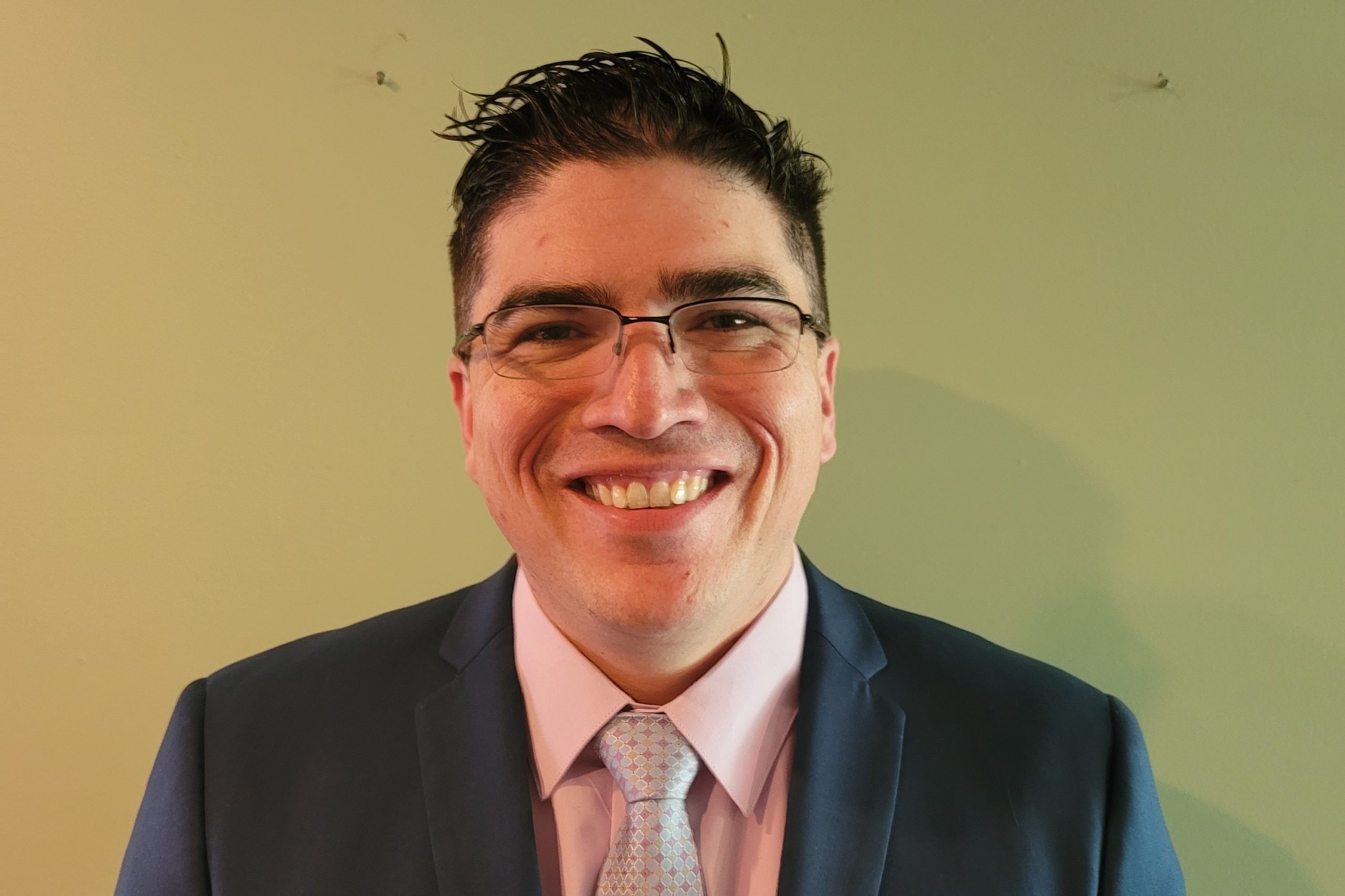
Speaker 0: Hello, and welcome to the Pardot careers panel. My name is Christina Magoulas. I’m joining you from the Sercante team and I’m going to be your host for today’s panel. If you’ve been on LinkedIn at all in the past year, you’ve probably realized that the job market for marketing operations has really exploded. Pardot is one of the fastest growing products in the ecosystem. There have been interesting product innovations for Pardot this past year. I’d say probably more in the past year than there have been in the previous five years combined. We are seeing the demand for Salesforce skills growing each year. The IDC is forecasting that over the course of the next five years, we’ll see new revenues for Salesforce customers that will add up to $1,500,000,000,000 worldwide. The IDC also predicts that this revenue is going to lead to the creation of 9,300,000 new jobs. It’s a great time to dig into the Salesforce ecosystem and the Pardot job market. For today’s panel, we have a great lineup of Pardot and Salesforce pros in various industries and roles here, and we will be discussing their experience, the future of the Pardot job market, and provide advice for advancing your career. Just as a disclaimer, our panelists are here to simply share their experiences. There’s no guarantees on any of the statements made or advice given. But let’s dive in. I’d love to get started by having each of our panelists share a little bit about themselves. So Ben, do you want to kick us off?
Speaker 1: Sure. Um, my name is, uh, Ben Lamoth. I’m a Pardot Solutions Architect with, uh, BDO Digital. And, um, I’m I’m based in, uh, in Tampa, and I’ve been in the ecosystem for, um, a few years, both as a, um, consultant architect type role here and then also as an internal, uh, Pardot administrator, um, at a couple different companies.
Speaker 0: Awesome. Thank you. Uh, Vicky, how about you?
Speaker 2: Thanks. Yes. My name is Vicky. Um, most of you may know me from Supermoms where I was head of training for three years, but I’m actually just transitioning into consultancy myself. So I’m moving into a Solutions Consultant and Trainer role, um, with, uh, Hazeldine Solutions and Samma Consulting, and I’m based in France.
Speaker 0: Awesome. Uh, Jen, you’re up.
Speaker 3: Hey. Thank you. Um, my name is Jen Stretch. I’m based in Charlotte, North Carolina, and I am an independent, um, Pardot and Marketo consultant. So I started my company, Homestretch Marketing, about nine years ago and have been in the Salesforce ecosystem for over a decade now.
Speaker 0: Awesome. Uh, Jason, how about you?
Speaker 4: Hey. Uh, good morning, afternoon, evening, tomorrow to everybody. It’s, uh, Jason Ventura, and I am a, uh, Salesforce Solutions Engineer at Cercante. I’ve been in the ecosystem officially for ten days. Uh, I just joined the team right before ParDreamin. Uh, I am a soon-to-be retired naval officer. I actually will be retired on Monday officially. And, uh, I just you know, I’m happy to be here, love Salesforce, and, uh, ready to share any insights I can.
Speaker 0: Um, well, thank you all so much for being here. Um, I am going to be monitoring chat to take some questions from the audience, but I’ll kick us off with a few questions. Um, I’d love to learn a little bit about your day to day in your specific roles. Um, so perhaps, Ben, you can tell us a little bit about what your day to day looks like.
Speaker 1: Uh, sure. So I am as as as a Pardot solutions architect. I’m the kind of I’m the tactical point of contact for all of our Pardot clients. Sometimes that means writing, um, tech specs, um, that were given to me by our BA consultant teams. Um, other times that’s implementing or, um, just having weekly check-ins where I it’s an hour and I just I have clients just rapid fire hard questions at me. Why is the system doing this? Why is the system doing that? Um, and I I’m also responsible for doing for helping sales. So as an architect trying to partner with sales to help bring in new business, kind of be on the phone as a, um, what we would probably call, like, a solutions engineer, an SC, um, and helping being kind of the expert voice on the phone to, um, answer any questions that happen on the fly, um, and ultimately be kind of a trusted resource to this prospective customer, um, to hopefully, um, win some win some business for BDO digital. And then, um, the other thing that I’m responsible for is, um, is is talent development. So, um, developing training for those that are in, um, other roles that that do the interface with Pardot because BDO is not a strictly a Salesforce practice, but we do have a lot of Salesforce business and people who work in it. Um, so whether it’s enablement for those that are currently in this in within the company or it’s also recruiting. So bringing talent in, engaging, and trying to, um, build the practice both from a business perspective, but also from a a talent perspective.
Speaker 0: So all of that, and you are super supportive in the sales trailblazer community. I have no idea how you have the time.
Speaker 1: Neither do I.
Speaker 0: Um, Vicky, can you tell us a little bit about your day to day and your role?
Speaker 2: Yeah. So I’m another one like Jason who I’ve, uh, been in my new roles for about seven days now. So I’ll talk more about the past ones because those are where I’ve been for the past three years. So I was in workforce development and was head of training. So I managed a team of trainers and helped with the sales and marketing team as well. So my Pardot experience was actually as an end user and more of a Pardot admin for our organization because we were using it. And then I did training on the Marketing Cloud side. So we also developed some content around Pardot and developing new curriculum, making training videos, and just being able to support people into the ecosystem in general.
Speaker 0: Awesome. Um, so, Jen, your job is a little different because you’re a consultant. So I was wondering if you can share a little bit about the consultant experience and the day to day there.
Speaker 3: Sure. So some companies think consultant is a bad word, and they’re, um, you know, sometimes it’s hard to come into a project as a consultant, but I always have the end goal to make my clients self-sufficient. So, uh, a lot of times, people don’t want to keep a consultant on for long term. Um, and so my engagements really can vary. They typically start by coming in and doing an audit of the systems. So I’ll go through Pardot. I’ll go through Salesforce. I’ll understand the configurations. I’ll meet with various people on on different teams, you know, sales, marketing, um, and and really see how they are using the platforms with their business model and just, you know, make sure that they’re getting the most out of everything. And then depending on, um, what the internal teams are, sometimes I’ll stay on to help with some implementations. Sometimes it’s a matter of providing a company with, um, you know, basically an audit and recommendations, and their team will will take it and run with it. And then sometimes it’s just a hybrid approach. So so it always varies. And and, again, my goal is really just to make sure other companies are getting the most out of it.
Speaker 0: Sounds like you probably get a lot of experience with a lot of different types of companies, so that’s pretty cool.
Speaker 3: Yeah. I mean, because, really, I I only work with people that use Salesforce, Pardot, and Marketo. So it doesn’t necessarily matter how many licenses they have. You know, it it really matters that they have budget to bring someone else on to help them use the systems. So I’ve seen a lot of different industries and company sizes, and it makes it fun because every day is different. I get to to deal with so many different types of companies and, uh, also just learn a lot about different businesses and different marketing strategies. And, you know, I can learn something at one company and and take it and apply it to another, which is great.
Speaker 0: Yeah. There is never a dull moment in consulting.
Speaker 3: That’s true.
Speaker 0: Jason, I know that you have only been in your role here at Cercante for a couple of weeks, but what does your day to day look like right now?
Speaker 4: So it’s a great question, Christina. It’s evolving. Every day is different here at Cercante. Um, I’ve come from a traditional engineering and project management background. I like to call myself a professional cat herder. But whenever I came over into the ecosystem, I realized that I wanted to be on the technical back end side of the house. So, uh, whenever I came to the team here at Cercante, I have been working through tickets with our engagement managers and our consultants to solve technical issues with, uh, you know, Salesforce and even Pardot, which I’m I’m just dipping my toes into. But, uh, you know, we’ll get in and, you know, if
Speaker 1: we have an error, a
Speaker 4: sync error, Pardot, which, you know, one of our great engagement managers, Brian Roth, wrote a song about it. It’s actually pretty entertaining if you can if you can find it. I think it might be on YouTube. Uh, but, you know, going in and clearing sync errors, working on, uh, you know we had an interesting discussion before the panel started about person accounts and how that is different, um, you know, changes within, you know, functionality between Pardot and Salesforce. So I I do a lot of that and then also working with our training team, uh, to build, uh, training platform or curriculum for, uh, you know, any changes to the releases for Pardot and Salesforce to make sure everybody’s up to date on that.
Speaker 0: So something that is striking me with everybody’s answers is that, you know, Salesforce and Pardot, there’s a very specific vocabulary to it. There’s a very, um, specific need knowledge need that you have working in this ecosystem. So wondering if you guys can share a little bit about how you got started in the ecosystem, what tips you might have for people who are just getting started and looking to learn. Um, Ben, do you want to kick us off?
Speaker 1: Sure. Um, so my, um, my my background is traditionally is comes from more traditional digital marketing. So I started out in in in in social and then drifted into SEO and SEM and content blogging. And then I kind of I really got exposed to the whole eco to to Salesforce ecosystem. It was kind of accidental. I was I took a I took a role and with the company and the com and that was and the company decided they wanted to adopt, um, marketing automation. And they were they asked they kind of said, okay. I need you to evaluate these different tools and tell us which one you like and why. And I looked at Pardot, HubSpot, Marketo, and decided I went went went with Pardot. This is back in 2014. Um, and I, um, this is back when it’s back when you could integrate other CRMs with with with Pardot. It wasn’t just Salesforce. So, like, you could do there was at least those Dynamics and and SugarCRM, I think, were the two that you were allowed to integrate with with Pardot back then. Pre lightning app and all that. And so I just I just have it was kind of I will I got I got lucky, really. I was I got lucky with the opportunity to to kind of become self-taught to learn the system, and then from there, um, kind of grow into into that role to be to to learn how to manage drip campaigns and things like that. There there’s and it it’s it’s a credit to the to the larger trailblazer ecosystem, which even at that time was producing a lot of content that was either you had a partner, which I did have a partner at the time, but it’s also just self-taught. Just once you’re once you’re in the system, you’re able to learn. And so I I went from kind of becoming self-taught to, um, kind of becoming familiar, getting a second role in the ecosystem focused on Pardot. I kind of made an intentional decision. Once I kind of realized that Pardot was where I wanted to be and I saw how big marketing automation was becoming, I was like, okay. I want to do Pardot. Like, this is my career. And so I started looking for jobs that involve that specifically mentioned Pardot. That’s something that I try to tell people is if you’re going to make if you’re going to make make a decision, say, I want to work in Pardot or I want to work in Marketo. Like, when you’re doing job searching, while you may like marketing automation or marketing ops, but people will typically kind of have a platform of choice, have a have a map of choice. And so mine was Pardot, and so with all with these roles, I started I started looking for one of the keywords was like, do they use Pardot? If they don’t use Pardot, I’m going to be less interested in it. And so but by kind of finding roles that allowed me to get more in into the ecosystem and more hands-on experience, that allowed me to to grow. And, um, from there, I I started joining Trailblazer community groups and everything kind of the rest is history. Um, but finding that first opportunity, it doesn’t necessarily have you don’t have to be the admin of the ecosystem of of the of the platform. But if you if making an intentional decision to say, okay. I want to join a company that uses Pardot and maybe over maybe start kind of touching it a little bit here and there, and then over time, start getting more hands-on. Um, but that’s just that’s that’s something that I learned and how kind of I once I made that intentional decision to want to specialize in Salesforce and particularly in Pardot, I kind of love I was able to kind of grow my career around that by making sure by, like, making and a Pardot be kind of top level requirement system wise, um, for that for that next for the for the next next next position.
Speaker 0: Yeah. I I love that advice, and I I love me a good, uh, community group as well. Um, Vicky, how about you, um, getting started in the in the ecosystem and any advice that you might have based on your own personal experience?
Speaker 2: Yeah. So I accidentally fell into Salesforce in general, just like Ben did. And, uh, I was actually an English teacher in a past life. So I came from the end user where the it was an online English school, and they were using Salesforce, but not using it as well as they could. So, um, a couple of us started to get on Trailhead and started to learn about ways that we can make improvements to the company and to their use of Salesforce and started to come up with some solutions ourselves. And then I, um, ended up getting Admin certified off the back of it and joined Supermoms not too long afterwards. So, um, my Pardot side, as I mentioned before, was especially using it. And we were we had this tool, but somebody needed to learn how to use it. So we a couple of us on the team just kind of started to learn and started to pick things up. And I’d say that that is a great way to learn if you have the opportunity is to have a place where you can have a use case behind it and, uh, be learning that way. And especially networking, coming to the user groups, and things like that. Like you said, those are are great ways to transition into it. And, um, one of the things that I experienced, and I know many people coming into any of the Salesforce ecosystem experiences, um, is the imposter syndrome. So being able to lean on other people and have people that you can go to and say, I am stuck. I’m chasing myself around in circles, and I can’t find the answer to this. Can you help me out? That’s just huge. And that’s where the Salesforce ecosystem is is absolutely awesome with the people in it who are really will willing to give back and help out. So don’t be afraid to ask somebody for questions. So ask somebody for answers.
Speaker 0: I saw a lot of nodding with the mention of the imposter syndrome, myself included. Um, I I don’t want to throw anybody on the spot, but does anybody want to talk about their own imposter syndrome in the in the ecosystem? Oh, Jason does. Wonderful.
Speaker 4: Uh, Yeah. So, um, it’s all the way up until, you know, when I was interviewing for positions, um, and I would, you know, get career advice and and men I have a a council of mentors that I work with that, you know, as we’re tailing resumes and stuff like that. And I’ll get more into this whenever I talk about my journey a little bit. But, you know, you start looking at job requirements, you’re like, oh, man. I I don’t have half of these. Um, but, you know, then you get an interview, and then you get another interview. And then, you know, it’s just like, oh my gosh. You know? Oh, okay. Yes. You heard the dog. Hold on a second. This is my branch manager, Marshmallow. He’s taking a look right now. He heard the dog barking and whomever’s, uh, whomever’s, uh, yeah, maybe. Um, but so the whole imposter syndrome thing, especially coming from a different background and you’re pivoting, it’s, you know, you really just have you’re you’re your own worst enemy in that you, you know, when you’re sitting down, hands on keyboard, going into specifically, like, somebody’s production org, you know, or their sandbox, and you’re making changes, and you’re just like, oh my gosh. Am I gonna break the org? And, you know, you’ve got 16 tabs up with Google and Reddit and and everything else, and you’re like, I’m trying to figure this out. You’re sending a Slack message to one of your buddies in a different or, you know, one of your friends in a different user group. I mean, it’s really like, oh my gosh. I’m gonna break it. And then you come to find out, you know, you’re not the first person who’s done this. So you just take a deep breath, remind yourself that you’re here, not just because you have a certification or 12 or whatever it is. It’s because your company and the people you work with are are there to help you too. And and Vicky hit it right on the head. You know? Ask for answers. I mean, I went to Reddit last week to get a formula, a nested if formula had a had a, uh, image in it because I knew how to do the formula, but I was just having some syntax error problems and whatnot. And I went to Reddit and boom. It was just, you know, they’re like, hey. You’re, you know, you’re missing this. And you’re not the one thing about Salesforce and Pardot is you’re not going to know everything. There’s so much to know. It is impossible. You know? I’m gonna drop a dime here. I used to be a nuclear engineer. Nuclear power is different. It’s it’s difficult.
Speaker 1: There’s a
Speaker 4: lot of stuff to know. You’re never gonna know it’s the same kind of thing. You’re never gonna know everything about Salesforce, and don’t be so proud that you don’t ask
Speaker 0: for help. I think that that’s really solid advice. Um, Jen, I I see a lot of head nodding from you as well, and I’m sure that you have your own advice to share for for people trying to dive into the ecosystem. Any any further comments there?
Speaker 3: Sure. I I think one really hard thing, especially being a consultant, is you are viewed as the expert. You know? And so but with Pardot and Salesforce and a lot of systems, there’s a lot of different ways to accomplish the same goal. And so, you know, there’s been times where, um, I remember one time I had a a Pardot issue with custom redirects, and it was so simple, you know, like, the what I was trying to execute, but it just wasn’t working. It wasn’t tracking. And I banged my head against the wall. I mean, I was up for nights, you know, researching and just doing everything I could to figure out the answer. And finally, I just decided I have to ask for help. You know, I can’t be so prideful that I can’t ask for help. It’s okay to, you can’t know everything about these systems. You just absolutely can’t. And I think just letting that pride down and and having the freedom to say, you know, I’ve tried this, this, and this, and it’s not working. What do you suggest next? And sure enough, we got to the end of the issue, which ended up being a website tracking issue. So, um, I I think it’s really important to, um, have the freedom to to ask people to post on chat forms, to pick up the phone and call someone and not feel like an idiot for not knowing the answer. Because sometimes it’s something so simple, like, you know, you have an extra comma in a formula and, you know, suddenly the whole thing doesn’t work. So I would just say let let the walls down and talk to your friends.
Speaker 0: Yeah. And I I am constantly amazed by how welcoming and friendly this whole community is. So I think that that’s very sound advice. Um, I’m seeing a lot of good questions come in through chat. Um, there was one that was asked anonymously, um, if there were any sort of classes for people who’ve been working in Pardot for years, but due to team size or lack thereof, like a one person team, it’s it’s a little hard to keep up with all of the features and updates. So what advice might you have for somebody who’s who’s just struggling to keep up and learn as much as possible because their their day job is so demanding? Um, Ben, any any suggestions to share?
Speaker 1: Well, there there’s there’s not I wouldn’t I wouldn’t say that there’s classes per se. I mean, obviously, like, Cercante has has some has training, and that’s come up, and I see that in the chat. Um, so those so there’s some, um, there’s some training there if you’re wanting to level up to become more, um, I guess, more, uh, solid in your in your administration capabilities at the plat at the platform level. But if the if the goal is to be able to keep up with releases and features and things like that, know that nobody does that. Everyone can aspire. I certainly aspire, and I I I try to kind of stick with with as much as and and I have I have, like, certain places that I go to, like, resources that I have that I’m like, okay. In this in this in this ocean of blog posts and Slack posts and and and so on. Like, having your kind of three or four places that you’re going to go to knowing that there is it is impossible to boil the ocean as they say. So you will not get everything that everyone says. So having a handful of of places, if you whether it’s a I recommend finding a blog that you feel like is pretty comprehensive. And if you’re into Slack, getting, uh, joining one or two Slacks and following some people on Twitter and LinkedIn. Um, don’t feel like you have to be, like, just, like, burning the midnight oil, like, just work eight hours. Now you gotta do three hours of reading text tactical documentation. No. That’s not it at all. It’s like knowing when the when these releases are coming out. So Salesforce does releases three times a year. Pardot used to do six releases a year, I think. So but they’ve consolidated, and now they’re all together. So just knowing when those releases are and saying, okay. I am going to take over the next week, I’m going to kind of try and find windows of time to, like, just try and learn about one of the new features. And if you happen to have a a, um, an org that a developer org because, I mean, they obviously do do release kind of prep orgs. Yeah. If you get one of those and you’re able to kind of play around on your own time, um, I mean, that’s that’s a great way to do that. But if if the goal is to kind of try and stay up to date with stuff, what I recommend is the Drip for Pardot, um, uh, the by Salesforce Ben. I run a blog that’s not nearly as good called pardotgeeks.com. We don’t it’s it’s not and not nearly as good, but it’s it’s there. Um, but, yes, I would from a, like, consistency of content perspective, whether it’s basically going to be the Drip, The Spot for Pardot, Sercante’s blog. Um, and, um, um, really, those are the those are the two that are, like, if you’re wanting to kind of have some kind of place to go to, whether it’s RSS feeds or email updates or whatever, they’re very on top of it. Um, and I saw someone ask if there’s, like, a Slack channel that is, uh, recommended. Someone recommend the Kardashians. That’s something that is, um, very robust. Um, there’s also, um, um, a kind of larger Salesforce Slack called Oh, I think it’s called Ohana Slack.
Speaker 4: The Ohana Slack. Yeah.
Speaker 1: Yeah. Yeah. Ohana Slack is kind of plat is kind of ecosystem wide, and then they’ve got areas for, um, different different platforms. Um, so there are some Slack channels that are Pardot-centric that you can go and ask questions. But, yes, kind of just to in summary, instead of trying to kind of drown yourself in information, identify the air, the people, or the or the the sources that have good information, and then just try and absorb what you can. Um, don’t don’t allow yourself I mean, it’s very easy to feel overwhelmed because there’s so much out there. Just saying, okay, you’re going to if you say it’s going to be the blog, it’s going to be Slack, and it’s going to be LinkedIn or Twitter or both. Whatever. That’s that’s typically um, what I what I try to do. But, I mean, I have I’m I have to be a little more kind of on it just because I’m in my role because I have to because I’m I’m look because I have clients that need that I need to be able to advise if new features come out that they can take advantage of. So I’m a little more I have to be a little more on top of it, but that’s not necessarily what everyone has to be. So that’s that’s that’s my recommendation.
Speaker 0: Any other recommendations from our panelists, other resources to kind of stay up to date with release updates?
Speaker 2: Yeah. I might have had a little spin on it, actually. And for people who are looking at getting into Pardot, because that’s the other side of things. You may be in Pardot already, but it’s hard to learn sometimes and to get break into that space. So for anybody here that’s looking at that, there’s some great trailblazer groups right now that are doing these weeklong or month-long boot camps, and I’m actually going to be part of one next month that is all around Pardot. So by going on to different things like that, and even if you’re trying to to pick up a different Advertising Studio or something like that, there’s some great ones and they put them all on YouTube afterwards. So you can do a good YouTube search. And even as was mentioned here, there’s a lot of the consultancies that have their own YouTube channels, and they’ve put out a lot of great content that way. So just to kind of break into the ecosystem that way. And for anybody who’s looking at starting from net new, there is a Trailhead Academy class out there for Card. Lightning. So you can always see, especially if your company will sponsor something like that. It’s a great way to have a three-day boot camp class if that’s what you’re looking for.
Speaker 0: Awesome. Um, Jen, I saw a question come in about consulting that I was wondering if you would be willing to answer. Um, for marketing ops pros wanting to go into the consulting field, would you suggest positioning yourself as a marketing ops strategist in general that can consult on any marketing automation platform or perhaps to just go deep into one. So I know you obviously have experience in Pardot and Marketo, and I’m wondering sort of where your opinion lies there. Sure.
Speaker 3: Um, I think the danger of spreading yourself too thin across multiple platforms is like what Ben said, there’s just so much to keep up with. And so, um, I when I started out, I kind of went a little more broad, and then I decided, okay, I’m just gonna stick to Marketo and Pardot. And that was right, uh, probably around 2012, I think, when Salesforce acquired ExactTarget, which then became Pardot. But, um, the, I think spreading yourself too thin you know, sometimes I get calls, hey. Can you do this in HubSpot? And I just say, you know, I’m sorry. I can’t. I mean, I I could talk strategy all day long because, really, the strategy across the platforms is going to be pretty similar. But technically, how you’re going to execute it, you know, it’s just too much to keep up with. So, um, I personally, I like being able to work in both Marketo and Pardot because I think they’re the best of the best. And it’s, you know, it’s it’s just a great way to keep up with two separate platforms, but I’ve also made the decision I will not take on anymore. So if if I were, I would probably have to drop one just because my brain would absolutely explode if I had to keep any more technical knowledge in it.
Speaker 0: I definitely want to prevent that. I think you’re smart to limit yourself. Um, we have just a minute left. You guys have been so entrenched in in this ecosystem, and you’ve been wonderful sharing your experiences. I’m just wondering, boom or bust, Pardot job market, what are we looking at here, uh, rapid fire, Jason?
Speaker 4: I think that if you’re doing Salesforce or Pardot, uh, the it’s just going to explode. It’s continuously exploding. Christine talked about at the beginning, you know, $1,600,000,000,000.0 for every $1 Salesforce makes. The ecosystem makes six. Uh, 9,000,000 jobs. I mean, get in it. Get in quick.
Speaker 0: Jen, boom or bust.
Speaker 3: Definitely a boom. It’s the one place where, um, I’m a mom. I have a lot of mom friends that, you know, have taken time off and are getting back into the working world, and I’m always pushing them in the direction of Salesforce Pardot.
Speaker 0: I love that. Ben, how about you?
Speaker 1: I say boom with a caveat of, um, if that, uh, because because of how close Pardot and Salesforce is becoming, I think it’s a I think you are well served too. If you want to focus on Pardot, that’s great. But you would be even better served, and it would be more helpful down the line if you were to look at Pardot, but also recognize that there that you need to you you need to know you need to know Salesforce. You need to know the fundamentals of Salesforce and Sales Cloud. So the career path is is boom, but, um, there’s the boom as long as you have the skills and the knowledge to be able to actually be a strong candidate. And increasingly, that’s having broader knowledge beyond just the Pardot platform.
Speaker 0: Yeah. How about you, Vicky? Boom or bust?
Speaker 2: Yeah. I would say boom too. I think part of the part is getting your first job and getting your foot in the door and getting the experience. So that’s one thing where, like Ben was saying, getting that knowledge and making yourself more enticing to employers or finding work shadowing or something like that or, um, an overseen volunteer project because you don’t want to do a volunteer project just on your own, but somebody overseeing and mentoring you through it are great ways to kind of break into it. But definitely a boom.
Speaker 0: Awesome. So, um, just on the note of resources, we have a slide here with some, um, great resources out there for people who are looking to get started or learn more about, um, career paths. We have the Marketer Career Path on Trailhead. If you are looking for a Pardot job or you’re looking to hire for a Pardot job, please consider visiting The Spot for Pardot Jobs. For Salesforce jobs, we have a link here to the Salesforce and Salesforce job page. Um, Thank you so much to our panelists for being here. We are so appreciative.
Speaker 1: Can I add one thing real quick? I’m sorry. I just I wanted to so I, um, early in the year, I did a series of Pardot career panels focused on different areas of Pardot careers, consulting, education, nonprofit, and internal b2b, b2c marketing ops. Um, all those recordings are available at pardotgeeks.com. Um, it’s a couple posts in. There’s four of them. Um, so I I had, uh, these are panel conversations with a bunch of different people who were actively in these roles in these verticals. Um, so if you’re wanting to get more specialized, uh, information, then all those are available at pardockgeeks.com.
Speaker 0: Awesome. Yeah. No. They were awesome. I watched a lot of them, and I found them to be super insightful. So definitely check those out. Um, we hope that you, um, really enjoyed hearing from our panelists today. I’m so appreciative of you guys being willing to share your experience. Thank you so much to to our sponsors. ParDreamin would not be possible without our sponsors. If you have some time today, please stop by their booths, learn more about what they do. Um, thank you all for joining us and have a great afternoon.
Speaker 3: Thanks, everyone.
Speaker 1: Thank you. Thank you.
Speaker 2: Bye.