

View the session live or catch the replay here. You’ll find the recording and all related resources on this page once available.
Our live discussions are happening over in Slack. That’s where you can connect with speakers, join session threads, and chat with other attendees in real time.

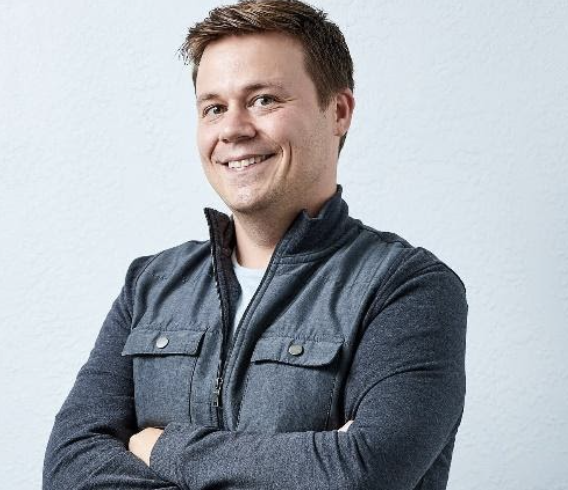
Speaker 0: Hello, everybody. Welcome to today’s session. I hope everybody’s been having a great time at ParDreamin’. Um, we have a very relevant and timely topic today. We have Disrupting Digital Fatigue with Pardot. Uh, we have Pallavi from Salesforce and Phil from Valpak who are going to present today’s session. Um, so take it away.
Speaker 1: Awesome. So hello, everyone. My name is Pallavi Saroop, and I’m a Pardot solution engineer based out of San Francisco. So this topic has been incredibly top of mind with my customers today. So I’m incredibly excited to bring Phil Subjeck to chat about how to disrupt the with Pardot. So, Phil, I’ll go ahead and pass it to you.
Speaker 2: Thanks, Palavi. Uh, my name is Phil Subcak. I’m the director of marketing strategy and operations at Valpak. Um, Valpak is, if you don’t know us, a a direct mail, uh, direct marketing company, uh, best known for our blue envelope of savings. Uh, I oversee lead generation and also marketing automation for the company. And, yeah, I’m just really excited to talk with you today about some of the things that we’re doing, uh, to disrupt that digital fatigue.
Speaker 1: Awesome. So today, we’ll really be starting off by getting your feedback around this topic and getting a feel where our marketers are at in terms of disrupting digital fatigue and optimizing their digital campaigns. And then after diving into that sentiment, we’ll get into some content around why this issue is so prevalent, again, amongst marketers today. So once we’ve discussed the problem, we’re in for a special treat with tactical strategy advice from Phil, and then we’ll open the floor for any relevant questions. So let’s open the floor to some audience feedback. Um, it’s incredibly valuable for us to really hear the sentiment and ideas you have around how digital fatigue has impacted you. So please log in to our team and insert into the code, and we’d love to start seeing that feedback pop on the screen here. Got it. So lower conversions. That’s definitely top of mind with the marketers I speak to as well. Less leads. Absolutely. Degrading performance as well. Generally, campaigns hard to optimize and see reps really working. Yeah. I know, Phil, have you were you initially experiencing that too?
Speaker 2: I mean, yeah. So I think any any program that’s no visibility, that’s a really good one. Um, any program that’s been running for a significantly long time, uh, you can really start to experience that fatigue, uh, where it feels like either your leads or your your impressions, uh, can really start to to flatline. So,
Speaker 1: um, I
Speaker 2: I you know, some of the things today are, like, testing and, um, really using Pardot to to to fight that fatigue.
Speaker 1: Yeah. Absolutely. So I’m seeing a lot more responses there. Uh, no visibility, high sign up for webinars, but low attendance. That’s definitely a concern. Overwhelmed by personalization, uh, responsibilities, lack of registration, ideas becoming stagnant, fewer paid events, higher bounce rate, bad data. Yeah. A lot of, uh, a lot of common threads around here around, uh, just not receiving the engagement they’d like and, uh, lack of visibility or bad data that prevents them from being able to really understand what’s working or what’s not what’s not. So these are extremely powerful, and I actually wanted to also open up to get a feel for how we’re doing in terms of confidence in the following areas. So as Phil and I chatted through this problem, we’ve really, um, narrowed it down to a few key pillars, and we’d love to see the audience’s confidence around the following areas. Okay. I’m starting to see some responses. That’s great. So so far, we see okay. Testing digital content seems to be the forerunner. People feel, like, midway strong or confident about that capability. And, uh, ABM specifically is the lowest so far. So we’ll definitely touch upon that topic and kind of break down exactly how you can pilot some of these ABM programs and, uh, articulate with strength. Awesome. Okay. Thank you so much for participating in that. It’s really helpful for us to see overall, uh, where our marketers are at as we go about this conversation. Okay. So as a product solution engineer, I talk with marketers every day. And the most common question I get is, how do I differentiate my digital marketing campaigns in today’s era? So the question is only one, and it’s one without an answer that fits to every situation. So I think it speaks a lot to the time that we’re living in that so many of us are thinking about the very same question. And marketers today are thinking about this for good reason. So according to a report, 47% of people seek downtime from Internet enabled activities. Personally, I’m surprised this is even higher because I’ve seen how even internally at Salesforce from the top down, we’ve been more mindful of reducing meetings, blocking calendars, and incorporating well to make sure that employees and our shift to the new digital HQ are feeling sustainable in this new normal. And as we all very well know, this transformation to a digital HQ has shifted the ways B2B marketers are speaking to our customers. So 90% of marketers said that the pandemic shifted their digital engagement strategy. Impactful marketing is more important now than ever before. So these new realities have really led marketers to develop new tactics to capture the elusive attention of their prospective customers. So with today’s digital customer, every moment counts, and every moment helps build a relationship. So it’s expected that these moments are connected, relevant, trustworthy, and human. And 84% of customers say that being true and a number is extremely important to winning their business. But they also say that most companies don’t treat them as unique individuals. So why is this? Well, because humanizing digital moments is complex and hard. Going digital doesn’t mean just digitizing your business. It means digitizing your relationship with your customer and being able to scale upon it and meet them where they are. So this digital journey requires a shift in tech, culture, and organizational alignment, And siloed data legacy tools that lack control and transparency and don’t meet the rapid pace of change are making building relationships and connecting every moment extremely challenging. So ultimately, marketing has always been about building relationships, about building loyalty, then that translates to growth and revenue. So but how do you build successful relationships with the digital first customer? So Phil and I have chatted a lot about this, and for us, it all comes down to three key pillars, but a world of different avenues. So today, we’ll be breaking down these pillars and diving into each one of those so we really get a feel into how you can start to optimize your digital marketing strategy from scratch. And that all starts with optimizing your campaigns in the digital first era. So we saw in the Mentimeter session just previously that optimizing campaigns and dealing with all the different channels is quite overwhelming for the marketers within the audience today. So Phil and I are going to break down exactly how you can start to break into some of these digital channels and really optimize for success. So, Phil, I know we’ve talked a lot about the pandemic has how you actually started to use print media to disrupt your customer engagement. That’s personally not something I expected out of a marketer and, uh, as the pandemic started. So can you talk a little bit about how that idea came to be and then also how you use Pardot to orchestrate your print media campaign?
Speaker 2: Yeah. Absolutely. Um, so during, you know, the start of the pandemic, and I I think across the board, marketers, everyone, um, had to really shift how they were operating and also how they were communicating. Um, like so many other companies out there, you know, we were really concerned about client attrition and, you know, we had programs in place to communicate with our client base that were working. They were working pretty well upwards to about 40%, um, before we we implemented, uh, this as part of our communication plan. Um, but we really wanted to get in contact with those folks who, you know, maybe weren’t struggling with their business. We serve a lot of small, low, and medium sized local businesses. So we wanted to to reach them in other ways than, you know, this traditional email marketing for for communications. So, you know, we we as a as a group kind of envisioned this this thank you piece that would come, um, directly from from our CEO. And what you see in front of you is actually, uh, it’s an it’s called an autopenned postcard. Um, and I’m sure you’ve seen these before. Uh, it’s an actual machine that’s that’s writing out the postcard, actually signing the envelope. So it all looks like it’s handwritten even though it is still it itself automated. Ultimately, what we were able to do is is reach, uh, that segment of clients who were at risk of leaving or maybe had left with these postcards. And we actually use Pardot to make those decisions on exactly the right time to communicate with these folks. Um, it was so successful that it’s just something that we’ve worked into our customer lifecycle long term. And what we found in having fit this direct mail piece into our overall, uh, client journey, it increased our average client open rates, uh, on email from 40% to 70%. We actually started to get direct, uh, responses to our CEO after, uh, after sending out this postcard where people would thank us for thanking them, um, just because it was such a hard time and it meant a lot just to create that experience. But again, it was hard at that allowed us to make a lot of those decisions. So, um, you know, the phrase, the right, uh, the right message to the right person at the right time, um, you know, we’ve printed a million times, but this is really that in application where we’re using our custom objects in Salesforce to find those those exactly right clients at the right time and and trigger this and and make it scalable.
Speaker 1: Awesome. Yeah. It’s great to hear how such an empathetic approach to marketing really resulted in extremely high engagement and, like, great customer feedback as well. So I know that’s difficult to achieve in this digital era and is definitely a concern on, like, how we can increase that level of engagement for our customers. So that’s amazing to hear. And, yeah, I’d love for you to drill down a little bit. How did your customers respond? Like, are there any examples you have of how they responded to receiving those gifts?
Speaker 2: Uh, so, I mean, we and this is just, you know, this is anecdotal, but, um, we actually get this, uh, individual clients who who call our CEO after receiving it, will compliment our sales, you know, our sales staff, um, during those calls, will complement us on, you know, what we’re providing as as a service. Um, and just from a performance standpoint, so, you know, earlier we took that poll, um, there was the the the comment of lack of visibility. Right? Everybody wants to track everybody needs to track what they’re doing. Um, so having tied all of these efforts to Pardot and Salesforce, we are able to track what our our return on investment is. And for this particular, uh, effort, it’s actually 10 times. So it’s, you know, well worth what we’re investing in terms of that direct mail. And then to also see engagement go up on the email pieces of the campaign, it was really exciting to see, and it was great to get that feedback of even, you know, our clients calling and thanking us for doing that.
Speaker 1: Yeah. Absolutely. It’s good to hear how, like, Pardot provided that confidence for your team to try something new and, uh, still be able to understand how that really resonated and and impacted ROI. So that that’s incredible. And I know something else that was brought up amongst our audience today was how we can really increase, uh, lead generation. So I know conversational marketing is something I hear as an emerging channel for all of the marketers I speak to. But, yeah, I would love to hear about how you’ve leveraged conversational marketing. What do you think it really is and how you feel it’s enhanced your digital engagements?
Speaker 2: Well, I think going back to the digital fatigue disruption theme, uh, you just when you are bringing in visitors through any channel channel, whether whether it’s Google Ads or, um, a Facebook ad or another social platform. Everybody has their own preference in terms of how they want to communicate. And when they’re communicating, they want to feel engaged. People are extreme. Our our attention spans are shorter and shorter. Right? We we expect more and more instant gratification, and conversational marketing really allows us to to fulfill that need. So the days of having just a form fill on a website as a means of collecting an an a lead conversion are really long past. You have to have multiple paths to conversion, and conversational marketing is definitely a place where you can achieve that higher conversion rate. So, um, after implementing our, you know, our our chat features on our chat live chat and chat bot features across our, uh, across our web assets, uh, it’s really become 5% of our overall lead volume and has really contributed to a 25% growth in leads. The 5% might not seem like a lot, but, uh, 5% in a high volume we we do have a high volume of visitors, um, is pretty significant. So, uh, it it really is, again, just another method of capturing that attention and increasing your your lead conversion rate.
Speaker 1: Absolutely. So any other channels you’re looking to explore as you optimize your digital strategy?
Speaker 2: Yeah. Um, so, uh, and hopefully, I I think I have somebody on, uh, our team who should be on this call, um, who is helping me explore some channels that, um, even I had not thought about. So some of the things that we’re looking at, uh, are TikTok, um, which even from a B2B standpoint, uh, and we’ll talk about it a little bit later, you know, it’s you need to meet people where they are and they might be on TikTok. So we we are looking at some exploratory programs on that channel, uh, YouTube. And then also exciting and kind of emerging is, uh, it’s, uh, streaming, uh, streaming advertising. So those are some of the places in in this next year that we’re looking to do some tests.
Speaker 1: Awesome. Yeah. And I know from personal experience how important TikTok is. I recently started a brand myself, and it just incredibly reaches that engagement and that audience there. So it’s great.
Speaker 2: I won’t be doing the dancing, though. None of that.
Speaker 1: You’ll hire me to do that. So Oh, yeah. Yes. Awesome. Okay. So while optimizing your channel cam campaign strategy is important, it’ll fall flat if, ultimately, you’re you’re not personalizing those channels as well. So Phil and I have decided to explain personalization in the lens of, uh, account based marketing, that perspective. So I know ABM is a buzzword that may not mean something specific to all of our audience members. And in fact, when we looked at the confidence level of each of our key pillars, ABM was one of the lower ones as well. So I’m here really to demystify exactly what account based marketing is. Essentially, you can break down a successful account based marketing program to four easy steps. Firstly, who are your top accounts? Uh, knowing this and defining that is key to the entirety of your ABM program and will impact everything that you do. And then from there, once you know these top accounts, you have to have a platform that allows you to create scalable, personalized experiences that are also engaging your buyers exactly where they are. That’s incredibly important because if you’re not on the right channel and you’re not delivering that personalization, uh, you’re not engaging those accounts. And then last but not least, uh, you have to deliver those connected engagements through orchestration from a marketing automation tool like Pardot that’s able to allow you to scare scale in that regard. So, Phil, I’d love to ask you, what does ABM mean to you?
Speaker 2: Yeah. Um, just like you said, it’s kind of a buzzword that’s thrown around sometimes, um, and I think people have a hard time wrapping their minds around what it means. Um, from a marketing standpoint, I really see it as a resource allocation strategy. So and it goes with the sales sales strategy as well. So it’s really working with your sales team to, like like we said, identify those top accounts. Um, and and on the marketing side, focus your resources. Um, I don’t know about you, but every marketing team I’ve been on, um, maybe it’s just me. You’re not in an infinite resource scenario. Your resources are limited, and you’re usually being asked to do a lot with not a whole lot. So to me, ABM is a way to focus those resources on the people. Ultimately, you know, accounts have people in them to focus it on the people who are most likely to buy from you. Um, so what you what you actually see in this example is, um, this is just a landing page that, um, we put together, uh, with a program we have from one of our buyers. Uh, but we make it very personal. This is a, uh, a bigger account for us. We wanna make sure that we are personalizing their experience. Going back to that digital fatigue, the more personalized that landing page is to the person who’s present, the more likely it is you’re going to get that conversion. So really meeting people where they are and talking to them in language that resonates with them is ultimately how you’re going to get that that flat line of engagement up, um, and really see better results.
Speaker 1: Yeah. I love how you explained it by really translating ABM as, like, a scarcity technique. Uh, we only have so many resources as marketers and can only really engage so many of the leads coming into our website or accounts. So it’s really important to deliver that personalized engagement, but also prioritize your time and your outreach. So that’s powerful.
Speaker 2: And I would be remiss to even to not mention that it’s really, you know, Pardot is the way that we’re scaling that. So and and it is about data. I I also wanna go back to earlier. Somebody just mentioned that bad data was one of the one of their experiences. Um, this is another experience. I’ve always everybody has some form of bad data. It’s about understanding the data that you have and what it means so you can deliver these personalized experiences because ultimately that data that data does translate into personalization.
Speaker 1: Absolutely. And it’s very topical that you brought up data, actually, because that, uh, brings us to our last and final pillar, um, testing and analyzing to optimize your digital engagement strategy. So, Phil, you and I have talked specifically how about how important testing really is. So what are the key KPIs you watch out for, and how do you leverage Pardot to really optimize your content?
Speaker 2: So, um, you know, obviously, every channel has its its own KPIs. Um, if it’s in the email sphere, you know, we’re we are looking at things like open rates and click through rates. Um, other channels, it’s, uh, things like, uh, visitor to to lead conversion rate, cost per lead, cost per acquisition. Uh, we we use Pardot as a means of collecting every single inbound lead. So whether we’re using our conversational marketing tool or we’re, you know, uh, using a landing page that’s built in Pardot, everything’s filtered through Pardot as its first it its first touch point in our in our in our CRM system. So really, we onboarded probably almost exactly a year ago B2B Marketing Analytics Plus, which really was a game changer for us in terms of optimizing and, uh, and and creating methods within within our marketing strategy that allowed us to pivot quickly. So, um, like so many marketers, we were in spreadsheets, uh, doing things very manually in terms of reporting. Once we onboarded B2B Marketing Analytics Plus we had live dashboards where we could see in real time what our visitors on our Pardot landing pages look like. What do those submission rates look like? Um, in the email space, we basically have a real time view into campaigns that are ongoing and how they’re performing, um, and also the revenue that’s attributed to them. So we can very quickly say what’s working and what’s not and make adjustments so that if we are experiencing low open rates or low click through rates, we can either scrap what we’re doing in that space or we can try to optimize what’s currently running to achieve something that’s ultimately better. Um, Yeah. This part of the B2B Marketing Analytics Plus portion has been a real game changer for us.
Speaker 1: That’s great to hear you were able to get that level of visibility to really have confidence in your campaigns and optimize that as well. Amazing. So we’ve covered a ton of really great content in today’s presentation. So Phil, I’d love for you to just summarize with, uh, three of your major takeaways on why this or the major lessons you’ve learned about disrupting digital fatigue.
Speaker 2: So so number one, going back to, um, how we incorporated something like direct mail into our campaigns, um, just taking an omnichannel approach to everything that you’re doing. One channel impacts another. If you are investing more in something like a YouTube, you are inevitably going to push up your your visitors on your other assets and hopefully experience, um, and be able to disrupt that fatigue just by incorporating more channels and understanding how they work together. And Hardot ultimately will help you understand how that performance all ties together and can be really powerful for you. Number two is personalizing experiences. I was really shocked at how few people felt confident in ABM. Um, Just start a pilot if you haven’t already. Um, just start talking to your sales teams, understand the the accounts that are most important to them, and then use your data to create those individualized experiences. Um, and again, you’re going to experience more conversion, uh, if you’re really taking that personalized approach. And lastly, marketing is 100% iterative. Um, what you do today may not impress you tomorrow. So, um, always test. Use all of the testing features that are at your fingertips in Pardot, um, or whatever platform you’re really using. Testing is the backbone of improving your performance, um, and and really track along the way. So have your dashboards and define your KPIs for success, and those are really the the top three things.
Speaker 1: Awesome. Thank you so much, and thank you to all of our audience for listening today as well. I really appreciated the engagement so far.
Speaker 0: Thank you both. That was an amazing session. Um, we have one question from the audience. Uh, what common mistake do you see marketers make as they start revamping their campaign strategy?
Speaker 1: Yeah. Phil, do you wanna take that?
Speaker 2: Um, Yeah. You know, I’ll actually say this is a mistake I used to make. Um, I I think that you either can get stuck in your own. Don’t make it too complex. Um, I think a lot of times we want to create these things, especially working in the automation space. We want to create these things that are super cool on, uh, on a, on a canvas that, you know, looks really complicated. Complication is not good with automation. Keep things simple, um, and set small goals. Don’t try to do everything all at once. Set just set set goals that are achievable and the and most impactful first, and then keep moving down the line. I I I think if you do that, you can be really successful in this space.
Speaker 0: Most definitely. Well, thank you everybody for coming, and thank you to our sponsors. Uh, we have the, uh, final keynote kicking off in about thirty minutes with Slack plus Pardot, When Work Flows, Relationships Grow, and we’re gonna have some special, uh, speakers joining us for that. So thank you, everyone, and enjoy the rest of your day.
Speaker 2: Bye, guys. Thank you.
Speaker 1: Thank you.